From
9 July 2027
Hans Arp
Through
23 January 2028
From
9 July 2027
Through
23 January 2028
9 July 2027 - 23 January 2028
Hans Arp
A Library of Forms
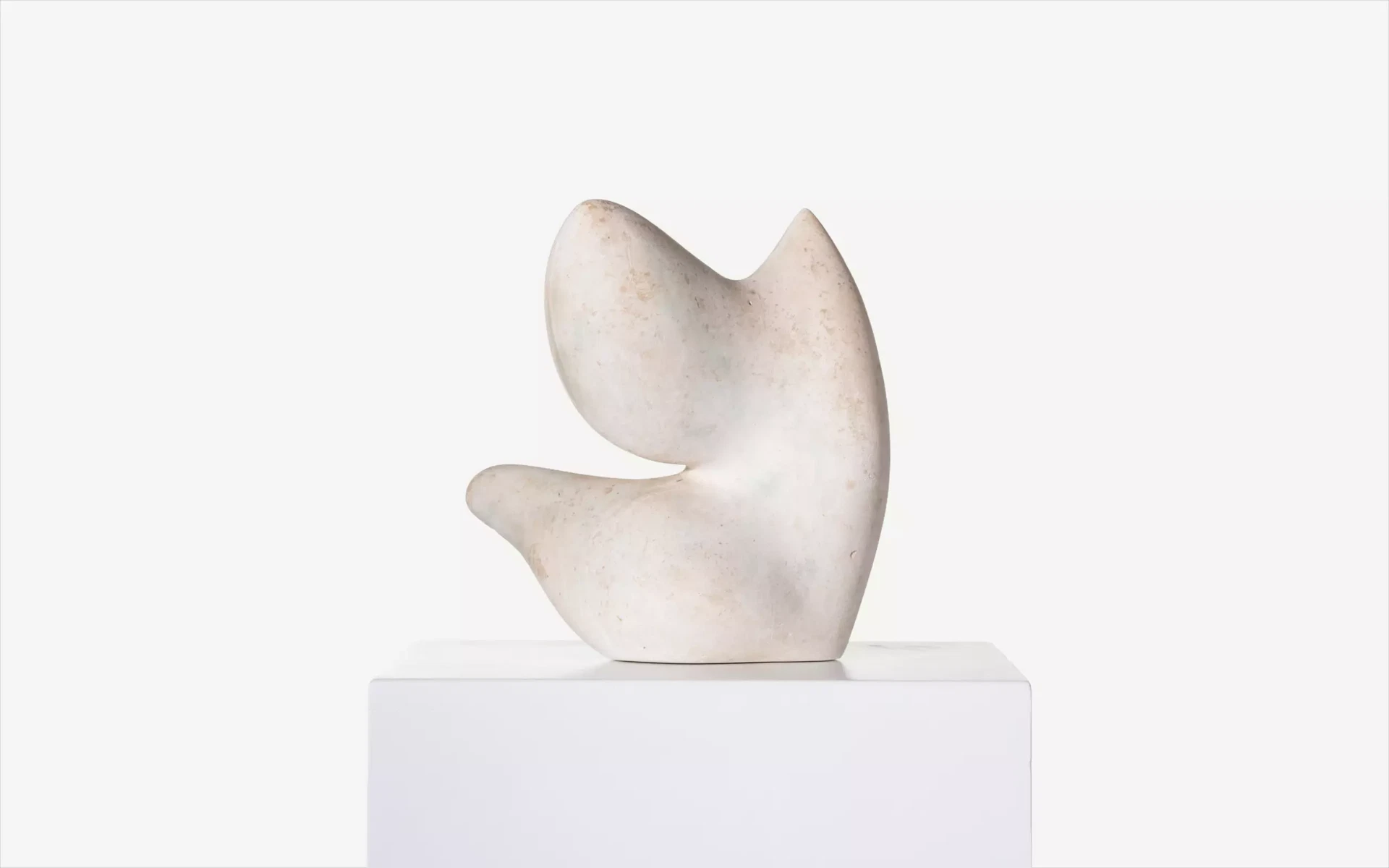
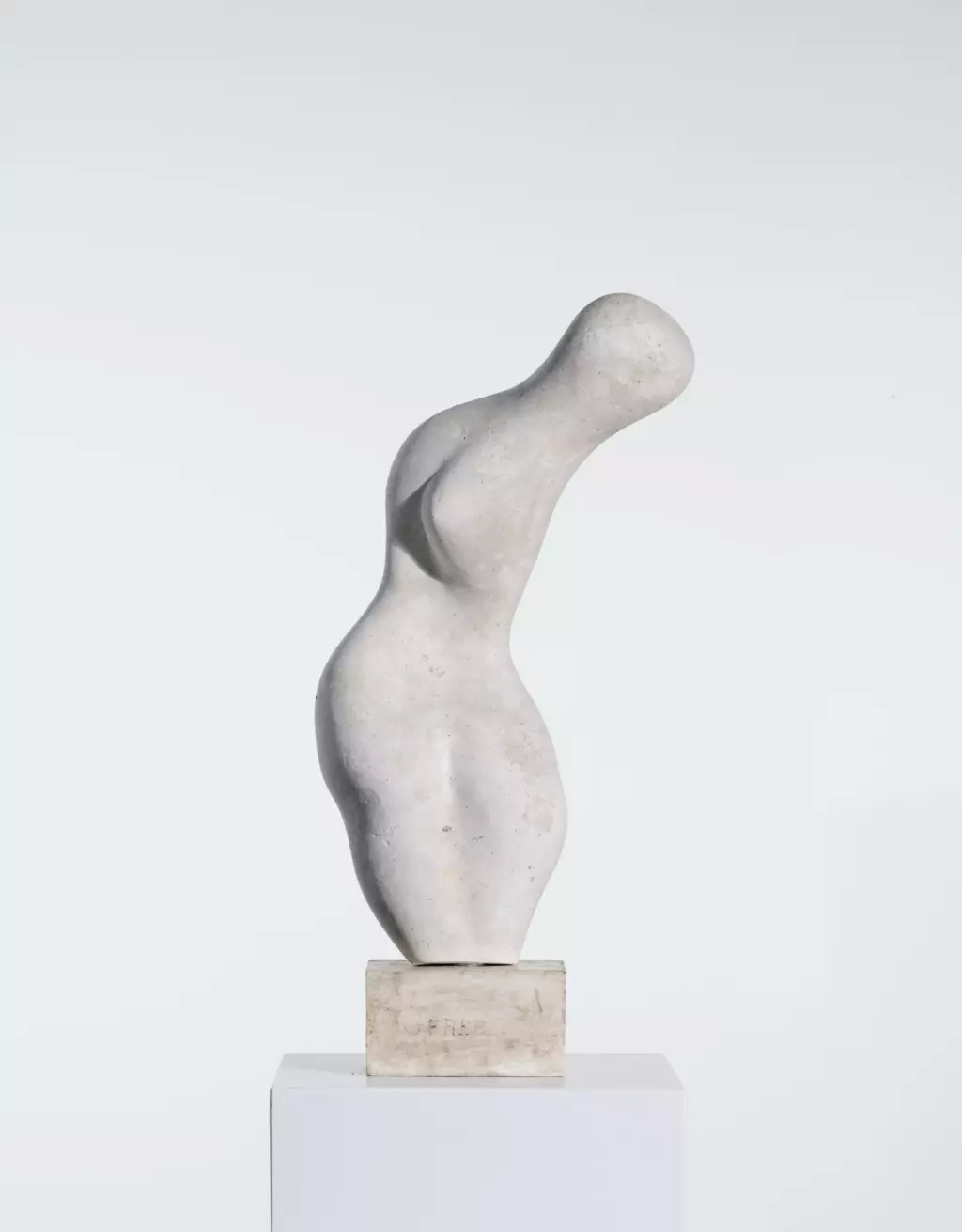
Museum Beelden aan Zee presents A Library of Forms, a major international exhibition that sheds new light on the sculptural oeuvre and working method of Hans (Jean) Arp. Featuring approximately 75 sculptures, reliefs, and plaster models, the exhibition traces the development of Arp's organic visual language. At its centre is plaster, the material through which he modelled, reworked and continually refined his forms. Drawing on the results of a multi-year research project into 21 plasters and one bronze in the museum's collection, the exhibition offers new insights into Arp's artistic practice.
Curator: Louise Bjeldbak Henriksen
In 2023, Museum Beelden aan Zee received a donation of 21 plaster models and one bronze sculpture by Hans (Jean) Arp (1888–1966) from the Stiftung Hans Arp und Sophie Taeuber-Arp e.V. The donation formed part of an international initiative through which Arp’s plaster sculptures entered the collections of leading museums, including the Nasher Sculpture Center (USA), the Busch-Reisinger Museum at the Harvard Art Museums (USA), and the Henry Moore Foundation (UK). Thanks to this significant acquisition, the Beelden aan Zee museum now holds the largest public collection of plasters by Arp in the Netherlands. From 2023 to 2027, the museum is undertaking a multi-year programme of art historical and conservation research into these plasters.
A Library of Forms builds on A Petrified Forest, the 2024 exhibition in which the donated works were presented for the first time. Bringing together approximately 75 sculptures and reliefs dating from 1915 to 1966, the new exhibition reveals how Arp gradually assembled what might be described as a living ‘library’ of forms that became the foundation of his unique sculptural oeuvre.
From around 1930 onwards, Arp devoted himself to sculpture in the round. Plaster became his primary working material, allowing him to model intuitively, rework forms endlessly, and translate them into materials such as wood, marble or bronze. Arp did not strive for a single definitive version of a work of art. By making subtle adjustments to scale, surface and orientation, the same forms continually acquired new meanings. For Arp, repetition was not a mechanical process but a way of thinking through form.
Partner