From
27 June 2026
Telcs and his pupil Brinkgreve
Through
1 October 2027
From
27 June 2026
Through
1 October 2027
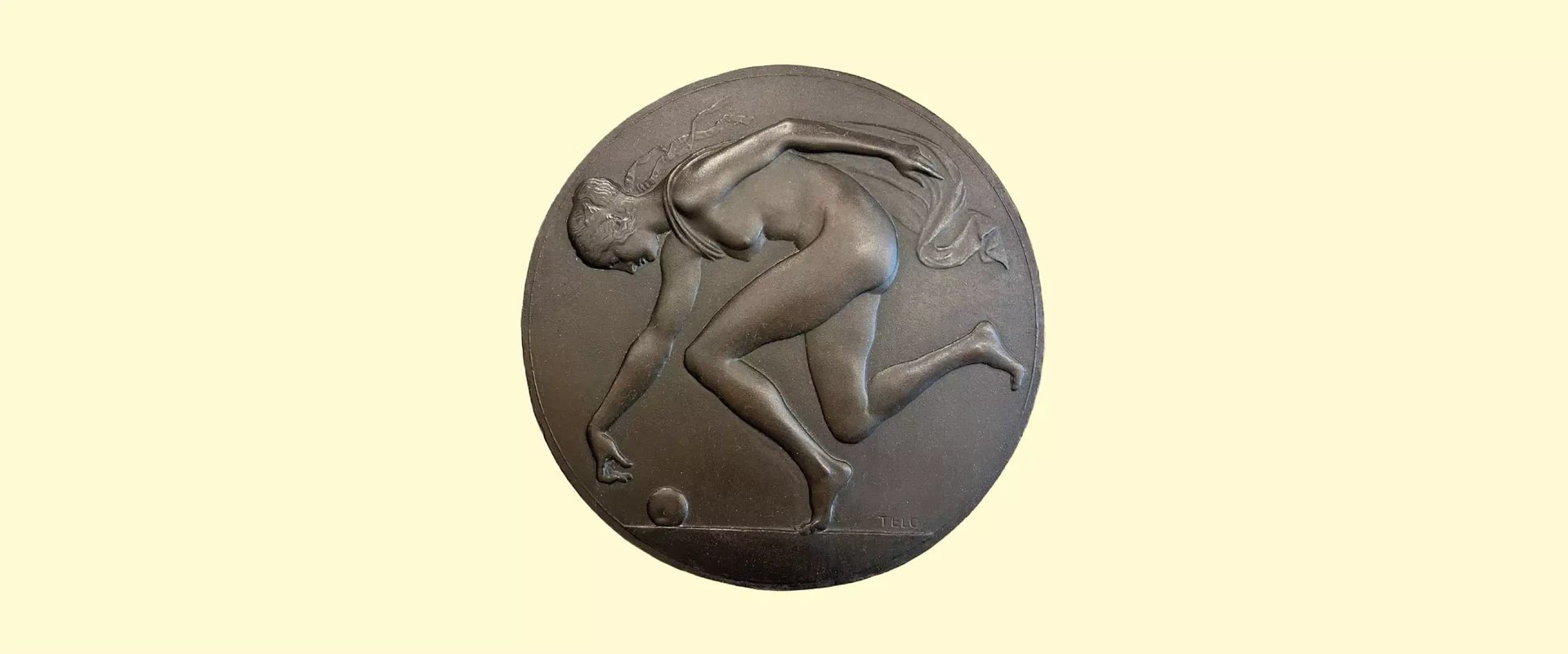
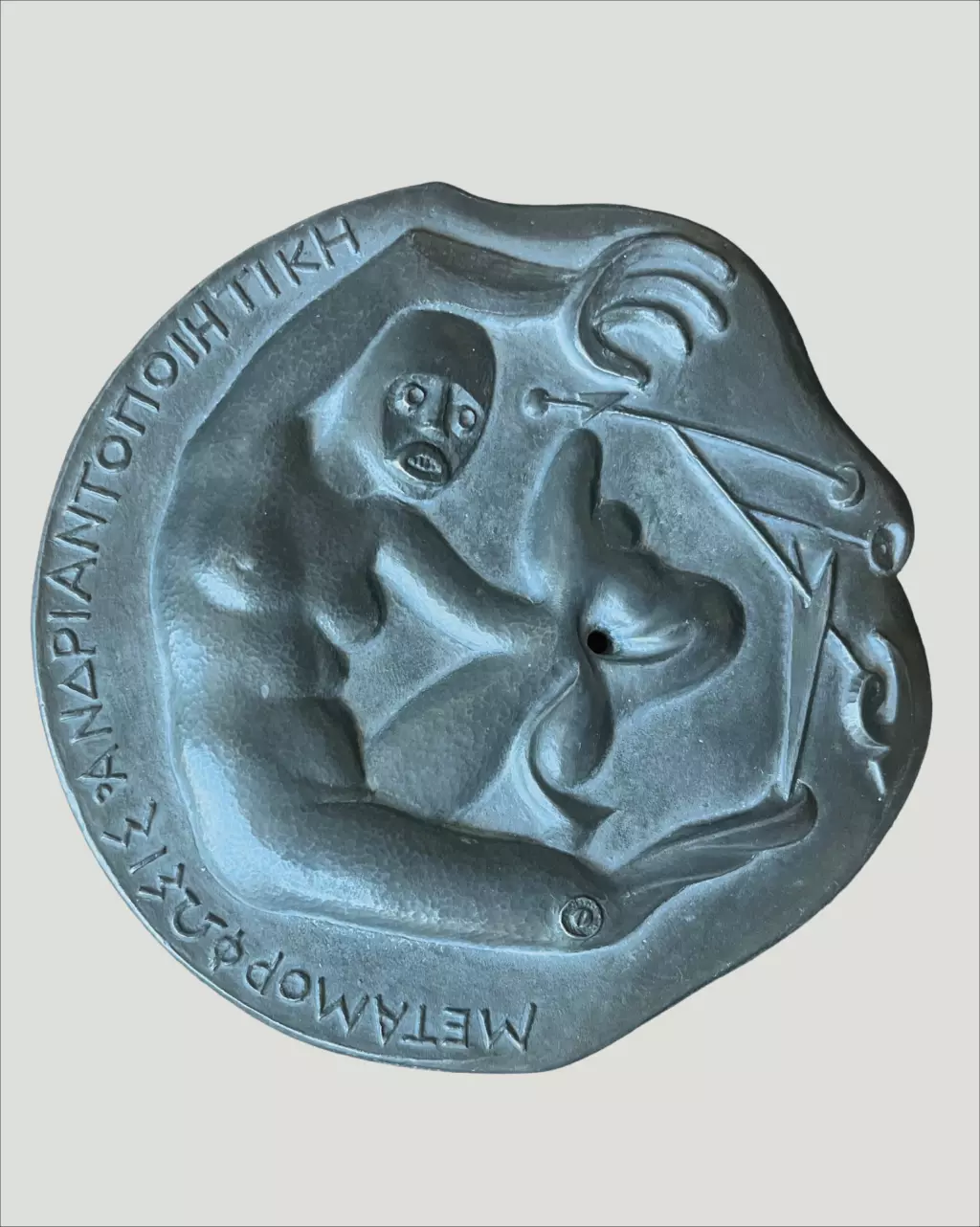
27 June 2026 - 1 October 2027
Telcs and his pupil Brinkgreve
Master and Student
The occasion for this exhibition is the donation by the Brinkgreve family of a sandstone and a plaster head, and a bronze plaque. The heads of Willem Brinkgreve were made by his brother, the sculptor Geurt Brinkgreve (1917–2005), and the plaque marking Willem’s birth by the Hungarian artist Ede Telcs (1872–1948). The sculptural work of these two artists, their relationship, influence, and the resulting style form the subject of this exhibition.
The Hungarian sculptor and medallist Ede Telcs grew up in the Austro-Hungarian Monarchy. He trained as a sculptor at the Vienna Academy of Fine Arts in the academic style prevalent at the time. In 1920, he came to Utrecht at the invitation of the firm Koninklijke Begeer to work for the company. He had already made a name for himself in Hungary by creating monuments, plaques and medals. Both on a large and a small scale, these were realistic works that stood out for their classical beauty and perfect execution. Telcs’ speciality was the low relief technique, characterised by creating the illusion of volume with minimal differences in height. This skill can be admired in the many medals Telcs produced for the Begeer firm. During his relatively short stay in the Netherlands (1920–1922 and a few months in 1924), Telcs created an outstanding corpus of medals that forms part of the Dutch cultural heritage.
During his time in the Netherlands, Telcs lived in Utrecht, where he maintained a warm relationship with Marius Brinkgreve, then head of the medals department at the firm Begeer. Their bond was founded on mutual respect and admiration for each other’s qualities. This friendship extended to other family members, including Marius’s artistic sons, Geurt and Willem. Through Telcs’s influence, they both embarked on artistic careers: Geurt as a sculptor and Willem as a portrait painter. After returning to Hungary, Telcs maintained an active correspondence with the Brinkgreve family until his death in 1948.
Around forty letters from Ede Telcs to Geurt Brinkgreve, dating from 1930 to 1948, offer a fascinating insight into their friendship and artistic relationship. Through these letters, Telcs provided practical guidance and advice to his pupil, who was then studying at the Royal Academy in The Hague. In this way, Geurt learned the finer points of the craft, entirely in the style of his mentor: classical realism. Personal contact between teacher and pupil was also important. In 1934, Geurt and Willem spent the summer holidays with Telcs in Budapest, where they were able to work. This direct contact was successfully renewed a few years later. Geurt Brinkgreve proudly regarded himself as the Hungarian sculptor’s foremost pupil.
Throughout his artistic career, Geurt Brinkgreve created not only sculptures but also numerous medals in his characteristic classical-realist style. Consistently and resolutely, he portrayed not only members of his own family but also influential figures of his time and environment. He also created two satirical medals depicting the Amsterdam aldermen with whom he came into conflict due to his efforts in heritage conservation. Their portraits are portrayed with great conviction in a strongly caricatural style.
Partner