0

Dossier Reclining Figure

Dossier Reclining Figure

Following the exhibition 'Reclining Figures', curator Dick van Broekhuizen wrote an extensive dossier on the reclining figure.

MILE STONES

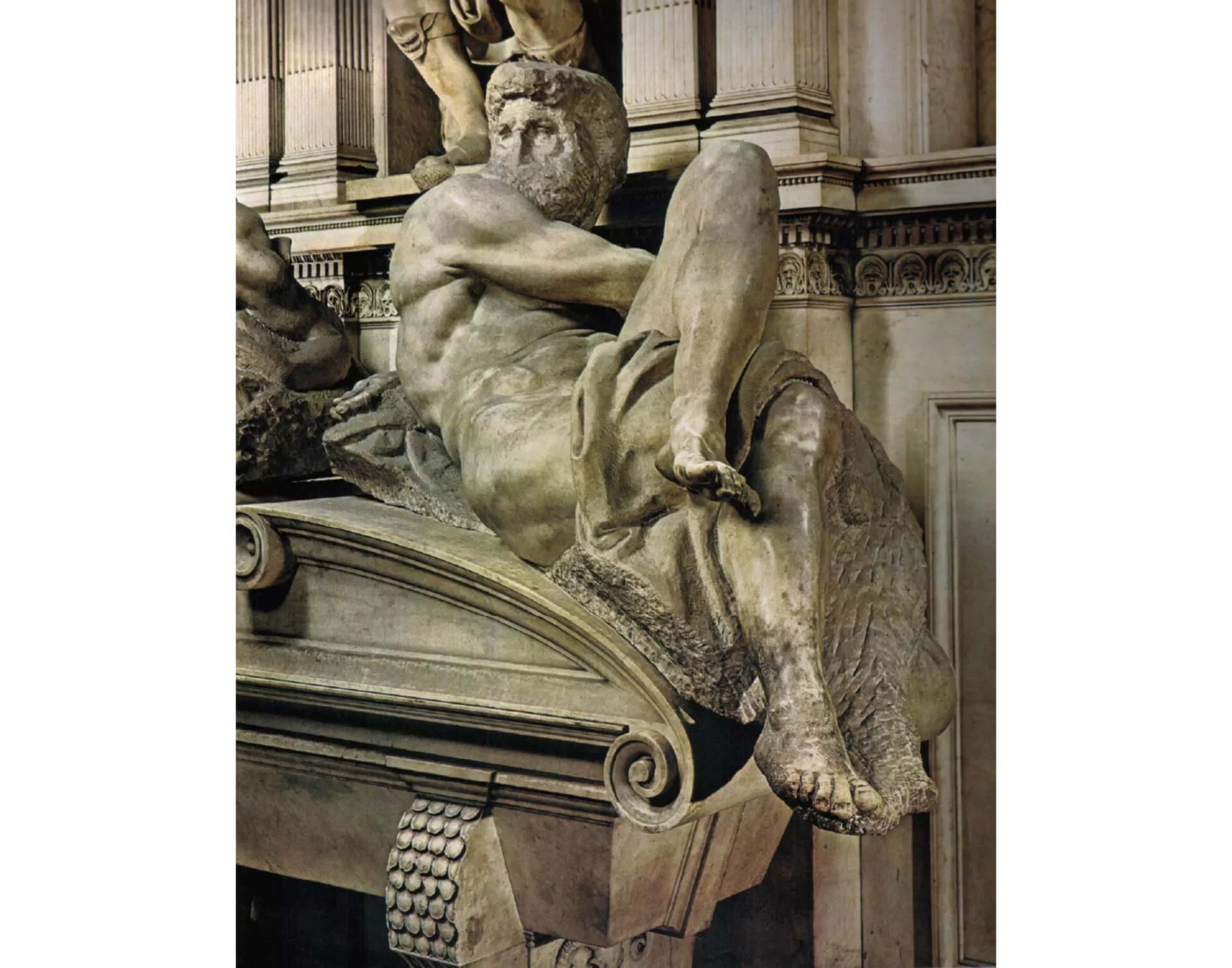
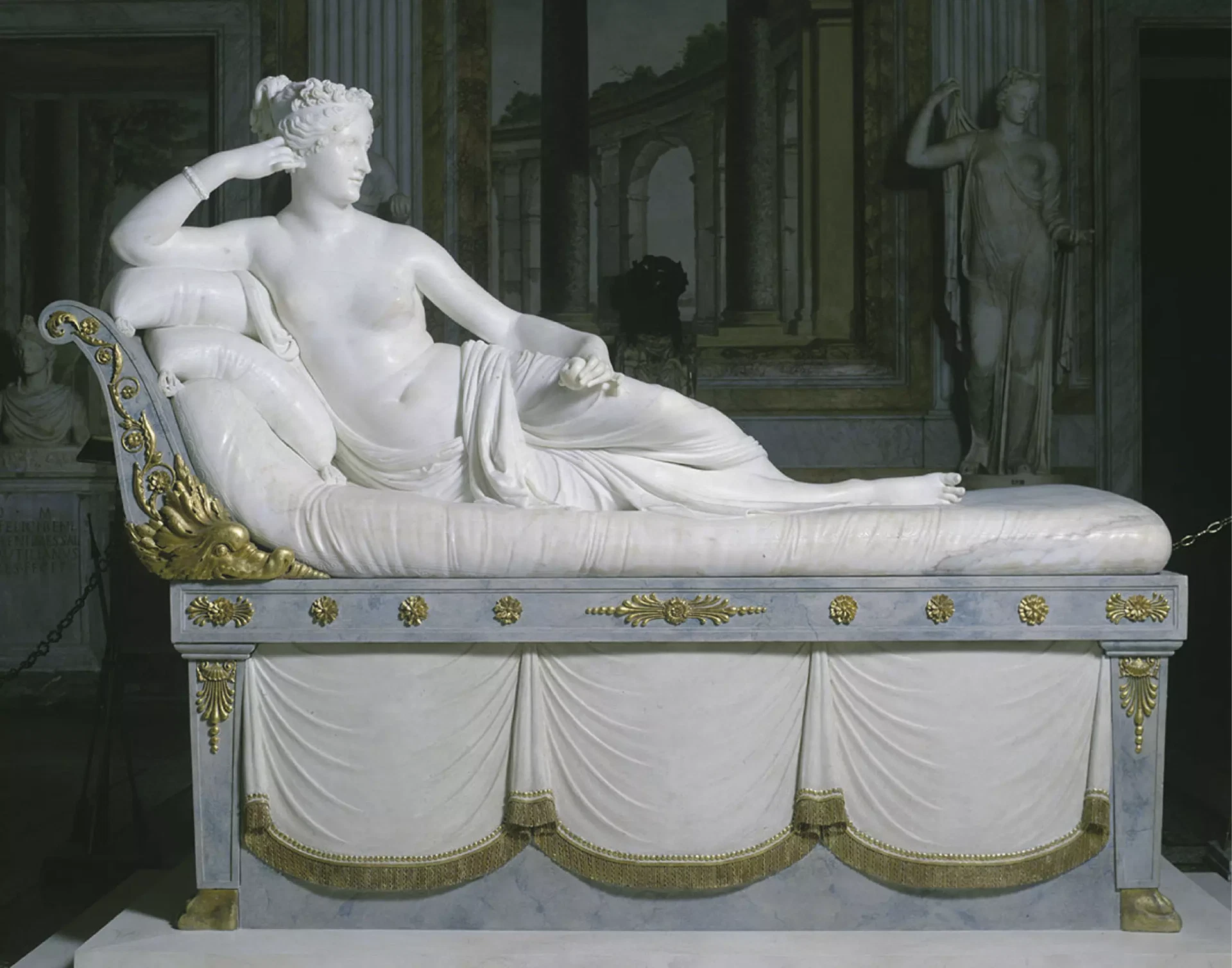
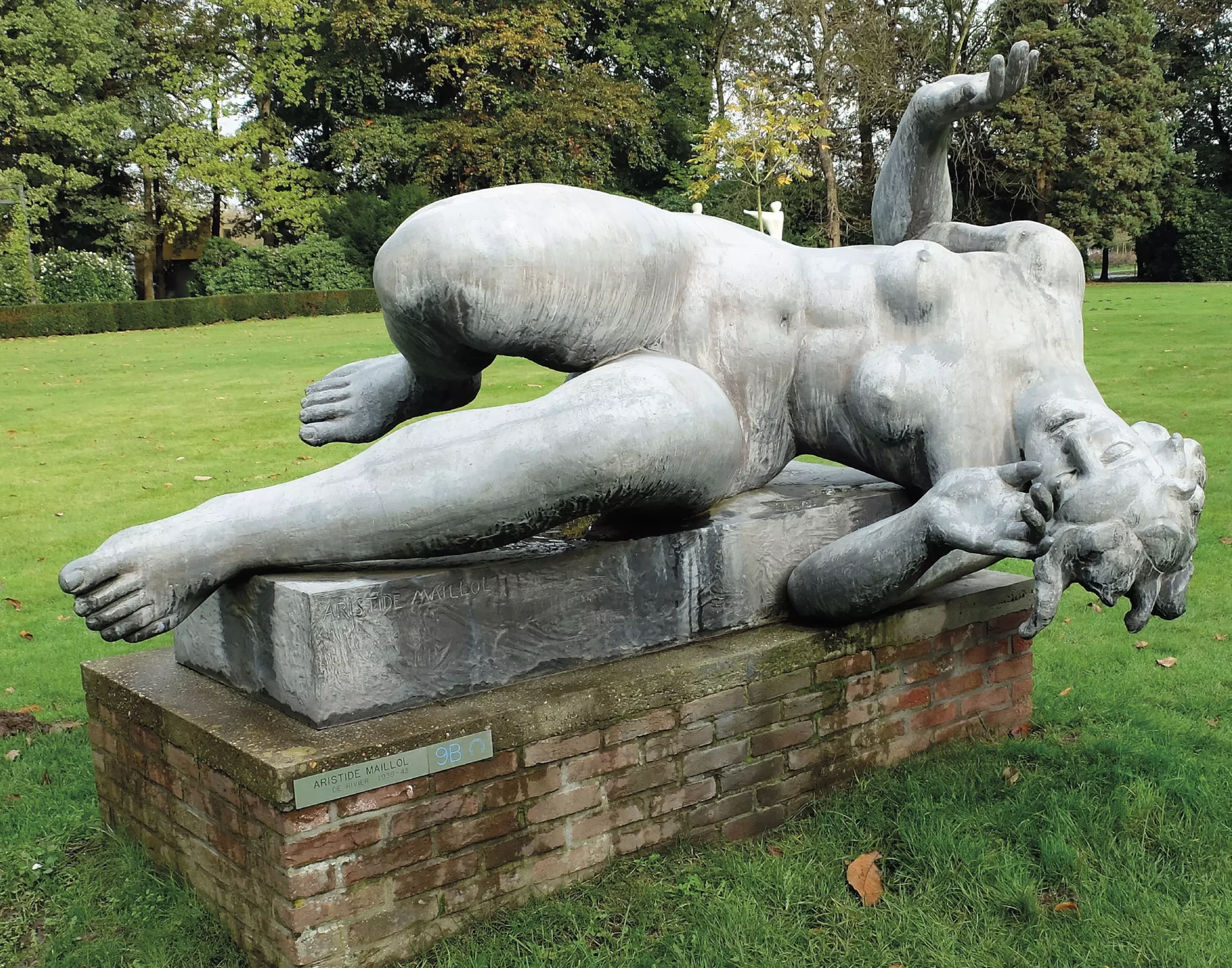
In European visual art, the depiction of a reclining figure is an important tradition. Milestones in this genre include reclining figures such as the Giorno in Michelangelo's tomb of Giuliano II de' Medici (1526-31), Titian's Venus of Urbino (1538), Antonio Canova's Venus Victrix (Paolina Borghese) (1805-08), Manet's Olympia (1863) and Maillol's River (1939-43).

MILE
STONES

Beauty

In general, the reclining figure conveys a sense of relaxation, and the examples mentioned are regarded by art historians as expressions of great beauty. The relaxation and intimacy of the depiction are a balm to the eye.

Reclining figures are often nude. For this reason, eroticism and sexuality are part of the interpretation. Michelangelo’s (1475–1564) male figure appears more active than his female counterpart in the tomb, but they also represent Day (Giorno) and Night (Notte).

Canova’s (1757–1822) Venus Victrix, which we now regard as an example of Neoclassical beauty, was discussed at the time as a rather revealing portrait of Napoleon Bonaparte’s sister. In its early years, this sculpture was shown only in the private apartments of Camillo Borghese.

Beauty

Manet’s (1832–1883) Olympia became the subject of public debate, because the woman depicted was understood to be a prostitute. The self-confidence that this Olympia exudes could not be reconciled, for nineteenth-century critics, with her unabashed nudity and therefore, in their eyes, pornographic sexuality—not a suitable subject for such a large painting. Today, we see this painting as a representation of confidence and female self-awareness.

Ways of laying

The reclining figure is characterised by a specific visual language. The figure is not positioned as someone would lie asleep in bed or laid out in a coffin. Rather, the figure appears alive and at rest. The upper body is slightly raised, a posture that recalls Roman antiquity, when people reclined while dining. It may also evoke the moment when, during a holiday, you lift yourself slightly to look around, enjoying the sea and the sun, content with the beautiful weather and the cheerful surroundings.

Nevertheless, associations with sleep, death, vulnerability, or the passivity of a horizontal position are all connected to the interpretation of the reclining figure as a genre. Artists therefore push the boundaries of the conventional type of the slightly raised figure, as this allows them to introduce new meanings.

Ways of 
laying

The sculptor Aristide Maillol (1861–1944) lets the figure appear to float, as if she were lying in water or suspended in the air. In this way, the body becomes a form in an abstract sense, a pretext for allowing a heavy metal form to float in space. It becomes a flowing form that closely evokes the movement of a river in the shape of a human body.

The Exhibition

The exhibition presents a wide range of interpretations of the Reclining Figure. Artists not only engage with established conventions and traditions, but also seek new directions in the visual language used to depict the body extending lengthwise through space.

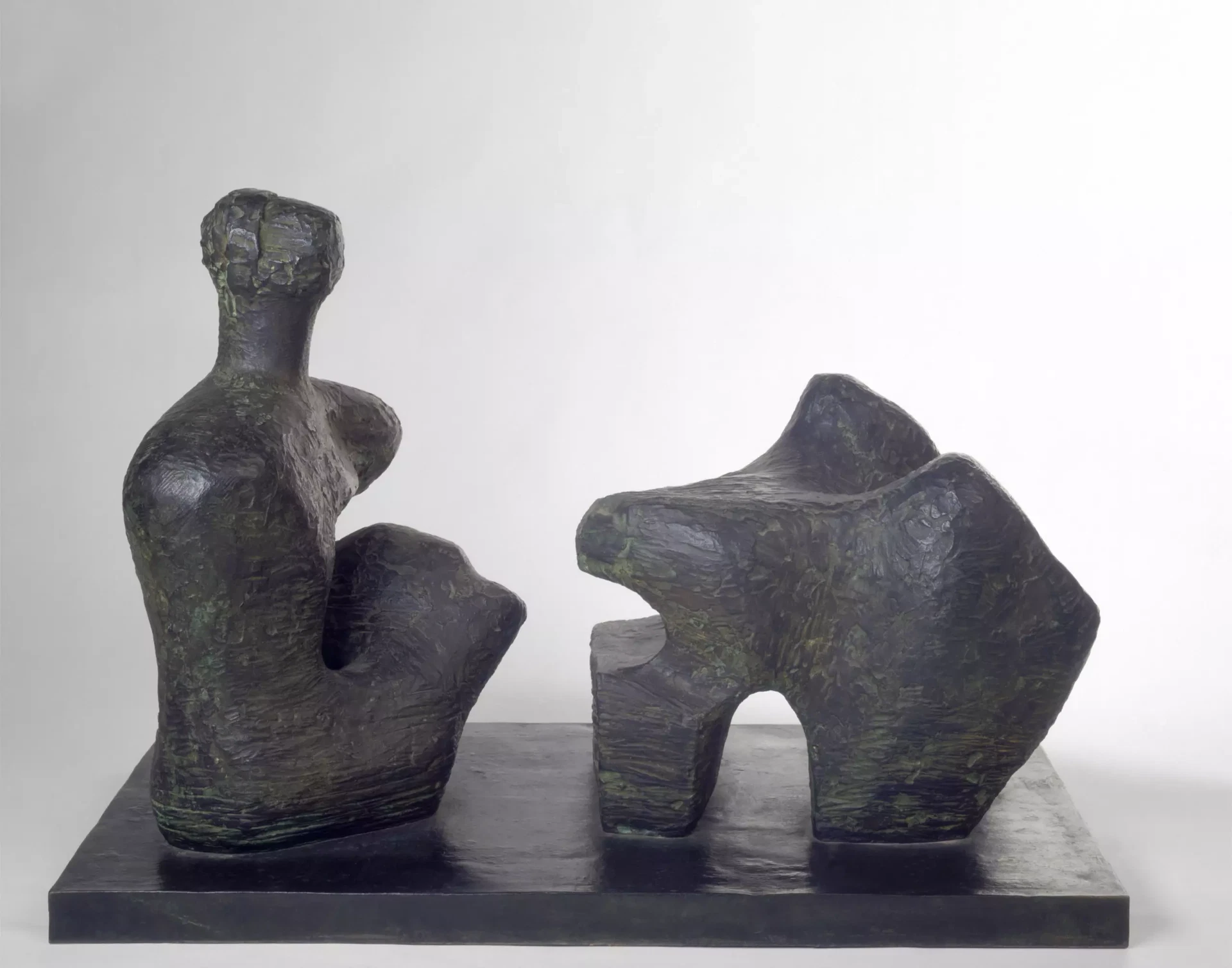
For the artist Henry Moore (1898–1986), the Reclining Figure in its many forms was of central importance. He created numerous sculptures based on the reclining figure, sometimes in highly abstract forms. Although Museum Beelden aan Zee does not own a Reclining Figure by Henry Moore, the Stedelijk Museum Amsterdam has kindly agreed to lend an example of exceptional quality.

The Exhibition

Two Piece Reclining Figure No. 4 (1961) is a remarkable sculpture. It consists of two forms that together suggest a single body. Here, abstraction and the human figure come together in a form that changes as the viewer moves around it: at times it appears to merge into a single body, while at other moments the separate elements remain clearly visible.

Seen through half-closed eyes, the sculpture can resemble two rocks or rocky formations, emphasising the landscape-like quality of the body. Landscape is a genre rarely found in sculpture, yet Moore establishes a striking connection with it through these reclining figures. In this sense, the work can be considered a revolutionary sculpture.

David Jablonowski's (1982) sculpture In Abstracto (Amsterdam UMC) can be seen as a continuation of Moore’s approach. It is an organic wave-like form that follows the contours of a reclining figure.

The form of the human body is interpreted in very different ways by different artists. The crowd favourite, Sluimerende Venus (Sleeping Venus), a sculpture by Jan Meefout (1915–1993), is not a flowing or landscape-like form but rather a block of marble in which the artist perceived the sleeping Venus. With just a few gestures, while leaving the integrity of the material intact, Meefout shows us the figure of Venus in all her softness, as though she were emerging from the sea like a piece of sea foam.

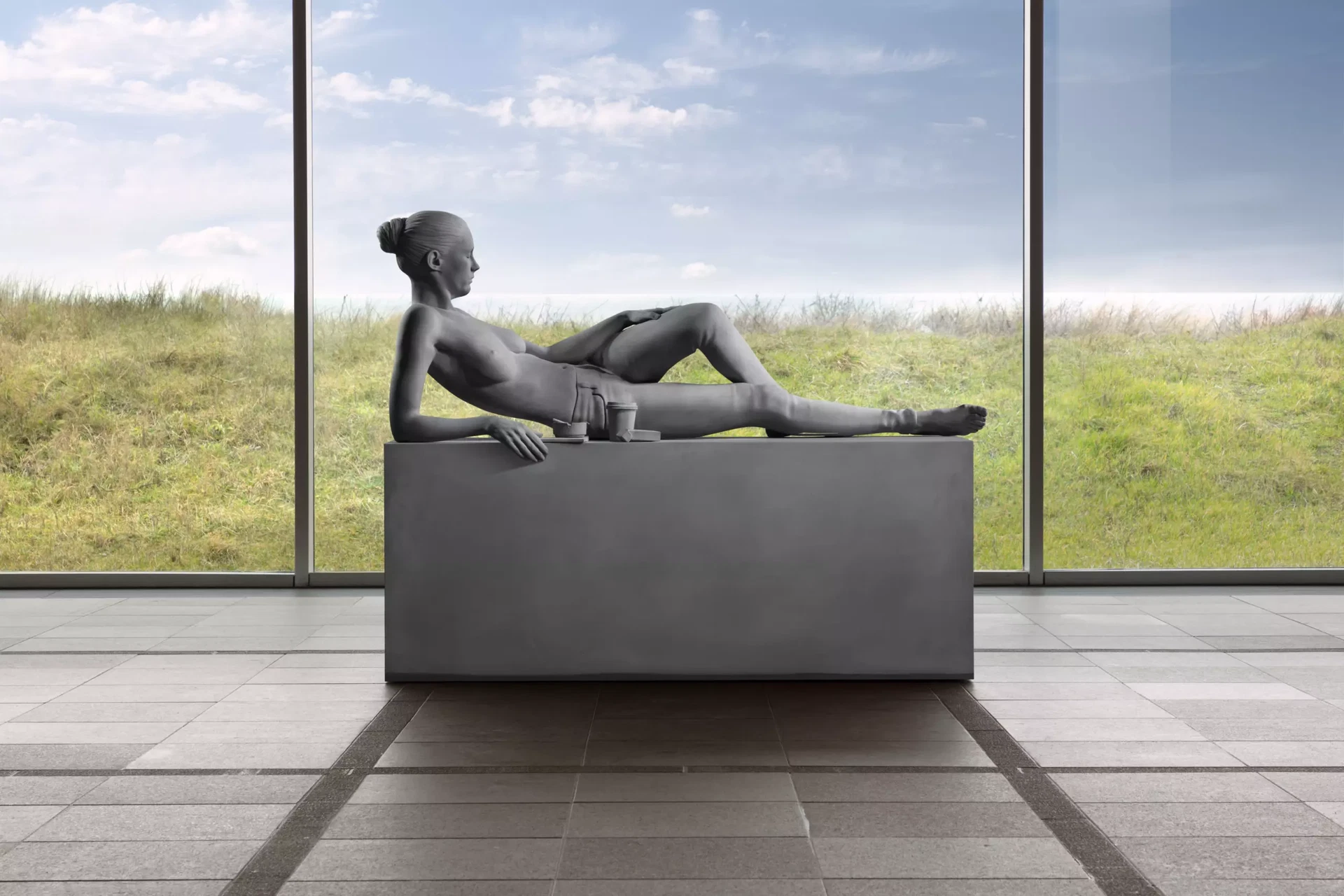
Highly realistic, yet magical, is Aline (II) by Hans Op de Beeck (1969), achieved through the application of a matte black-and-white photographic finish. The sculpture is so matte and grey that it acquires a historical, almost timeless quality. This timeless atmosphere invites reflection and even a physical identification with the pose of the figure, whose eyes are closed. Sleep may be one possible association, but a more accurate description might be inward contemplation.

The work by Gooitzen de Jong (1932–2004)is a sculpture composed of clay cylinders that have barely been touched by the artist, yet nevertheless it forms a reclining figure. Sometimes only minimal artistic intervention is enough to create a sculpture.

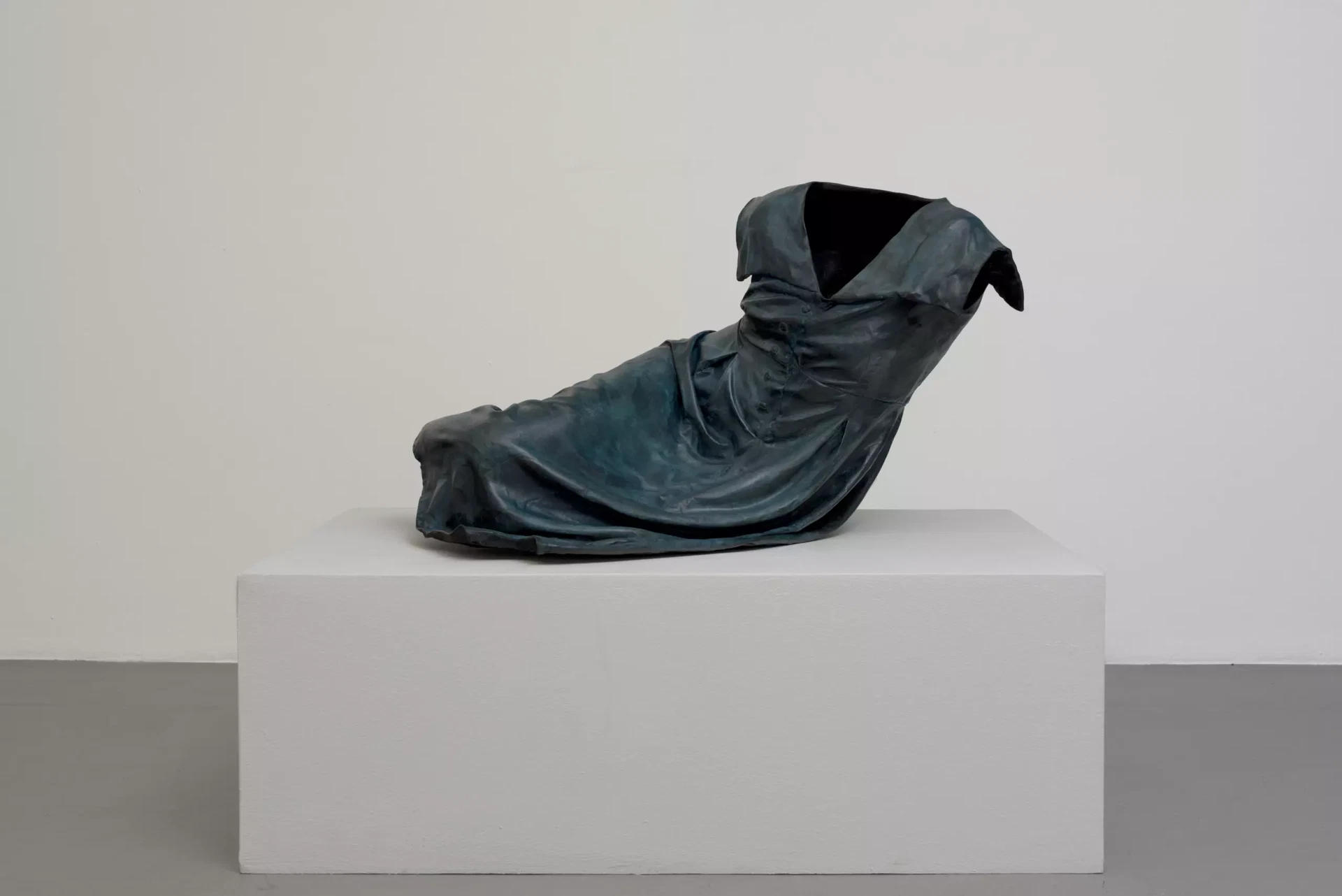
The contrast between interior and exterior is a theme that can be seen in the Reclining Figures by Karin Arink (1967) and Haroon Gunn-Salie (1989). In Arink’s work, Zusjes (“Little Sisters”) appear as hollow shells: a reclining twin pair in a foetal position, hovering between presence and absence, between fulfilment and emptiness. Gunn-Salie likewise presents a half-raised figure—an empty skin, a body without interior substance.

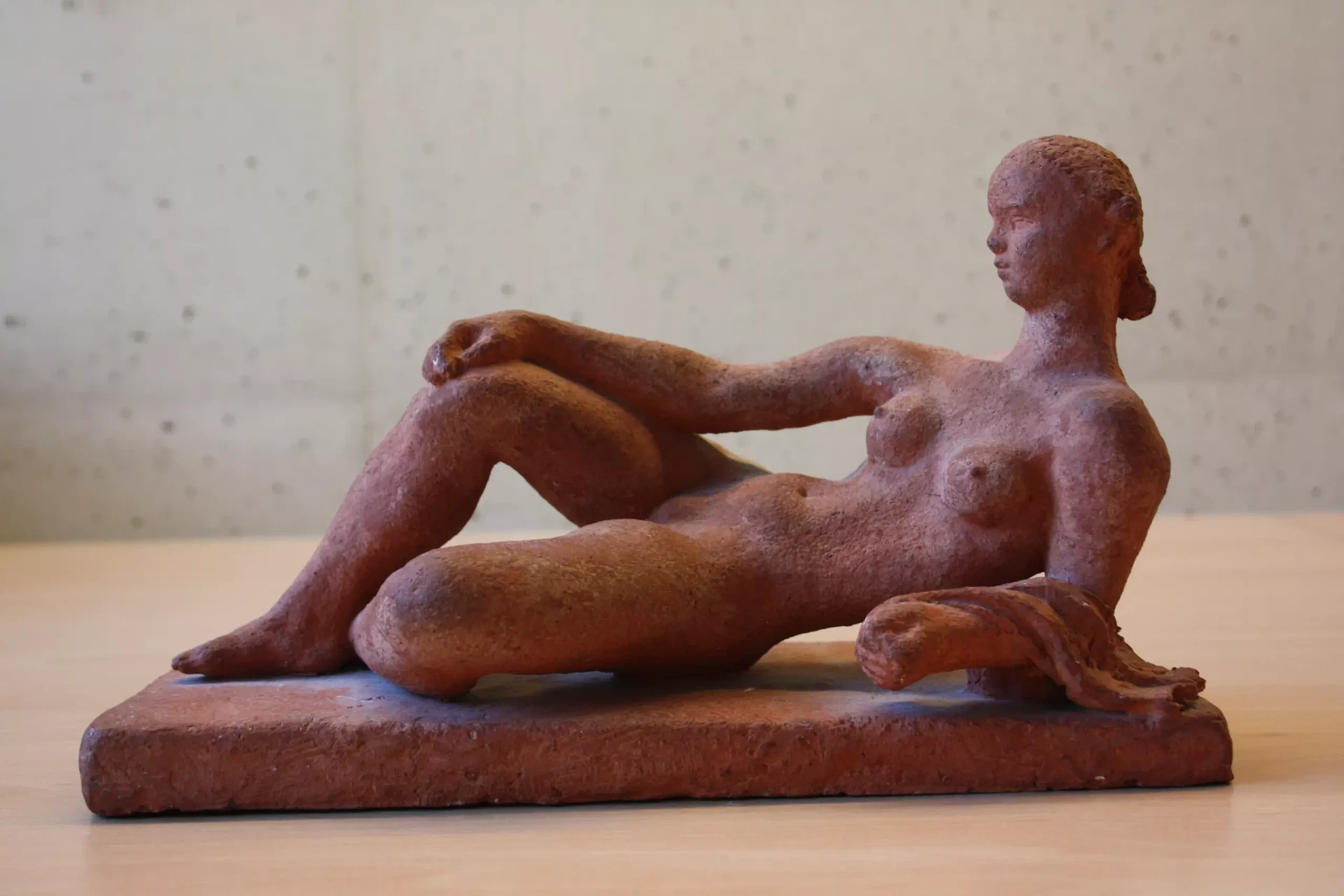
Truly classical forms can be found in the works of Charlotte van Pallandt (1898–1997) and Urs Fischer (1973), as well as in the small-scale sculptures by Fred Carasso (1899–1969). Carasso was deeply engaged with the art of his native Italy, particularly with the art of ancient cultures such as the Etruscans. A reclining figure—even on a small scale—can retain the power and presence of a monumental work.

Van Pallandt also created a small terracotta sculpture that has stood the test of time. It is a variation on the enduring repertoire of the reclining figure. Yet the sculpture strikes an emotional chord, radiating melancholy and a longing for a time that will never return.

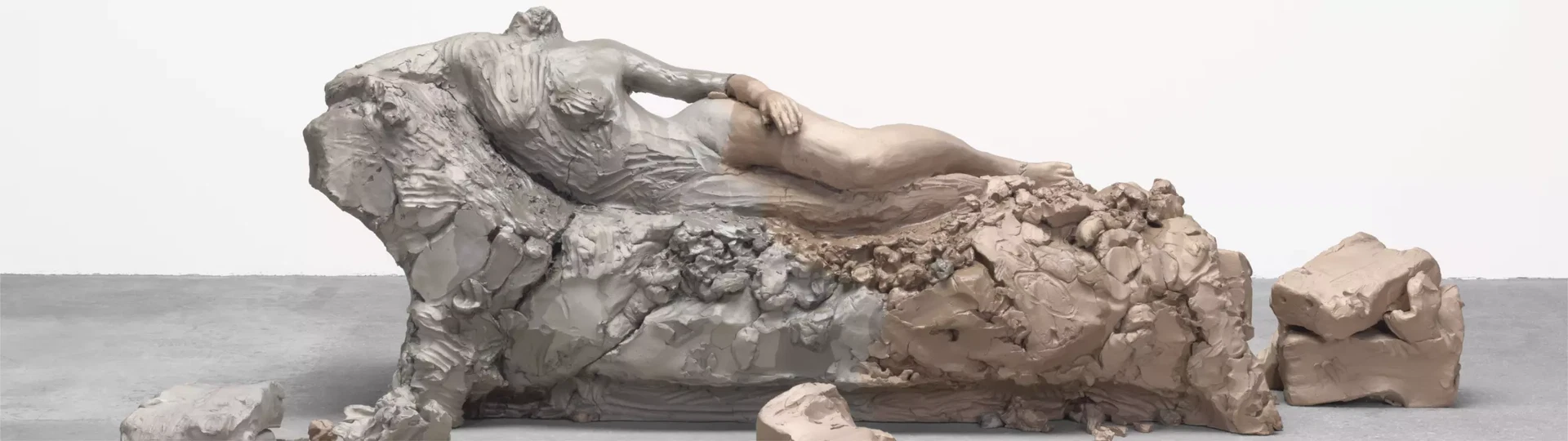
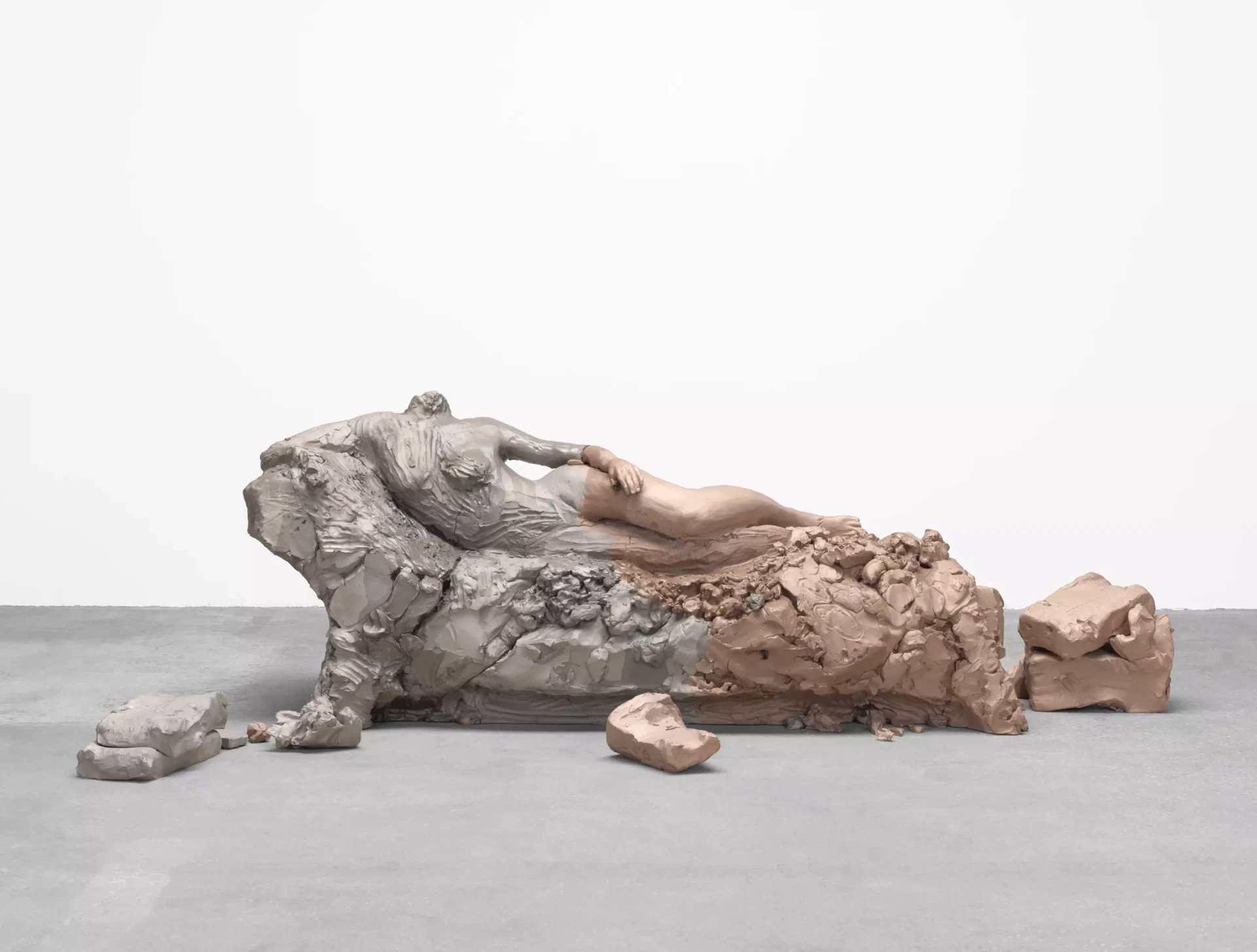
The work titled 6 by Urs Fischer is part of a series. It depicts a historical reclining figure on a chaise longue. Everything is sketch-like and roughly modelled, and fragments lie beside the sculpture, as if one were looking at an archaeological excavation, or at a sculpture emerging from ruins.

If we were to arrive in the time Van Pallandt seems to long for, reality might prove harsher than expected. Particularly striking is the use of colour, applied like bright flowers upon the stony masses.

Two sculptures are displayed in the Lichthof: Uomo e coccodrillo (Man and Crocodile) by Mimmo Paladino (1948) and Couple by Frank Letterie (1931–2025). Strictly speaking, these works are not Reclining Figures. For that reason, they are placed outside the gallery space and can be viewed from within the exhibition.

The sculpture by Paladino is particularly striking, as it shows a figure in a foetal position, executed in green ceramic with a jade-like appearance. The crocodile rests somewhat stiffly upon the reclining figure. The composition evokes temple sculpture from Asia. The foetal position forms a parallel with the Zusjes (Sisters) by Karin Arink.

The white marble sculpture by Frank Letterie shows visual affinities with the marble sculpture by Jan Meefout.

Works displayed in exhibition

Henry Moore (UK, 1898-1986)
Two Piece Reclining Figure No 4. 1961, bronze.
Collection Stedelijk Museum Amsterdam, gift of the artist.


David Jablonowski (DE, 1982)
Lying Figure on Pedestal, 2009, wood, plaster, pigment, copper, ceramic.
Art Collection Amsterdam UMC


Charlotte van Pallandt (NL, 1898-1997)
Reclining Figure leaning on left, 1941, terracotta.
Collection museum Beelden aan Zee


Fred Carasso (NL, IT 1899-1966)
Reclinining Figure, ca. 1955, terracotta.
Collection museum Beelden aan Zee


Jan Meefout (NL, 1915-1993)
Reclining Woman, 1975-1980, olive wood.
Collection Museum Beelden aan Zee


Jan Meefout (NL, 1915-1993)
Sleeping Venus, 1984, marble.
Collection Museum Beelden aan Zee


Hans Op de Beeck (BE, 1969)
Aline (2), 2016, pigmented plaster, coated polyester, wood.
Collection Museum Beelden aan Zee, private donation


Gooitzen de Jong (NL, 1932-2004)
Reclining, 1986, clay.
Collection Museum Beelden aan Zee


Waldemar Grzimek (DE, 1918-1984)
Reclining sleeping figure, ca. 1973, bronze.
Collection Museum Beelden aan Zee, donated by heirs Grzimek


Mimmo Paladino (IT, 1948)
Human and crocodile, 1994, ceramic.
Collection Museum Beelden aan Zee


Frank Letterie (NL, 1931-2025)
Couple, ca. 1980, marble.
Collection Museum Beelden aan Zee, gift of the artist


Karin Arink (NL, 1967)
Sisters, 1994. clay.
Collection Museum Beelden aan Zee


Urs Fischer (CH, 1973)
6, 2014, bronze, oil paint.
The EKARD Collection


Haroon Gunn-Salie (SA, 1989)
Sunday Best, 2012, bronze.
The EKARD Collection